
Singapore Bank Transfer Rules 2025 have gained attention as the country prepares to introduce a new safeguard that limits digital transfers to 50 percent of an account balance within a single day. This measure begins on 15 December 2025 and aims to protect customers from fast moving scam withdrawals that often drain accounts before victims even notice suspicious activity.
Table of Contents
How the New 50 Percent Transfer Limit Will Work
Starting 15 December, banks will automatically place a hold or block on transfers that go beyond half of the total account balance within a 24 hour period. The system observes outgoing transactions throughout the day and reacts when the total exceeds the 50 percent mark. This delay creates time for account owners to review activity and stop potential scams.
Who Is Affected by the New Rule
The restriction applies to savings and current accounts with at least S$50000, including joint accounts. The measure is part of a stronger anti fraud framework introduced by major banks such as DBS, OCBC, UOB, Citibank, HSBC, Maybank and Standard Chartered. The purpose is to slow down unusually large digital transfers that scammers commonly attempt.
Official Breakdown of the New Banking Rule
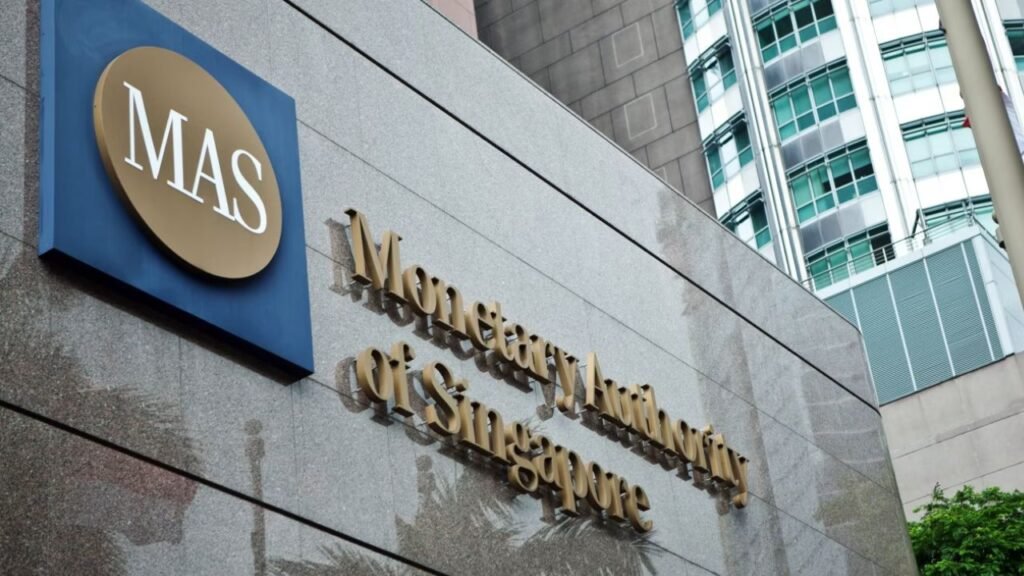
The table below summarises the confirmed details of the new transfer control rule starting 15 December 2025.
| Aspect | Details |
|---|---|
| Effective Date | 15 December 2025 |
| Affected Accounts | Savings and current accounts with S$50000 or more, including joint accounts |
| Trigger Condition | Transfers exceeding 50 percent of the account balance within 24 hours |
| Action Taken | 24 hour hold or transaction rejection |
| Notification | Alerts sent through mobile app or online banking |
| Exemptions | GIRO, eGIRO and payments to recognised billing organisations |
| Verification Options | Branches, ATMs or customer service centres |
How the Transfer Hold System Operates During the 24 Hour Review
When the transfer exceeds the limit, the bank will place the transaction under a security review. Customers receive a notification, can cancel the transfer if they did not initiate it and can verify the payment if it is genuine. Once the 24 hour window ends, the bank releases the funds for valid transactions. Regular recurring payments like loan instalments and utility bills will not be affected.
Impact on Daily Payments and Customer Experience
The rule adds a strong security layer but may create delays for high value transfers such as property purchases or investment payments. The Monetary Authority of Singapore explained that some inconvenience is unavoidable but necessary to block sophisticated online scams. Banks are also expanding real time verification alerts to help customers distinguish real messages from fraudulent ones.
Why This Security Framework Matters for Bank Users
Scams remain a major threat even though reported cases declined in 2025. Banks prevented about S$78 million in attempted scam losses during the first seven months of the year. The new 50 percent threshold is designed to stop suspicious transfers before scammers can move large amounts out of customer accounts.
Steps Customers Should Take Before 15 December 2025
People should prepare for the new rule by adjusting their payment schedules and being aware of the extra verification steps.
Recommended actions for customers
- Plan any large transfers in advance to avoid delays
- Keep mobile banking notifications turned on
- Follow official verification steps when a transaction is flagged
- Stay alert against calls or messages asking for urgent money transfers
FAQ
- When does the new 50 percent transfer rule begin
It starts on 15 December 2025 across all major banks in Singapore. - Will every account be affected
Only savings and current accounts with balances of S$50000 or more will be included. - Are recurring or essential payments impacted
No. GIRO, eGIRO and payments to recognised billing organisations will continue normally. - What happens when a transfer exceeds the limit
The bank may place a 24 hour hold or reject the transaction for security review. - Why is Singapore introducing this measure
It is designed to reduce scam related losses by slowing down large high risk transfers.


